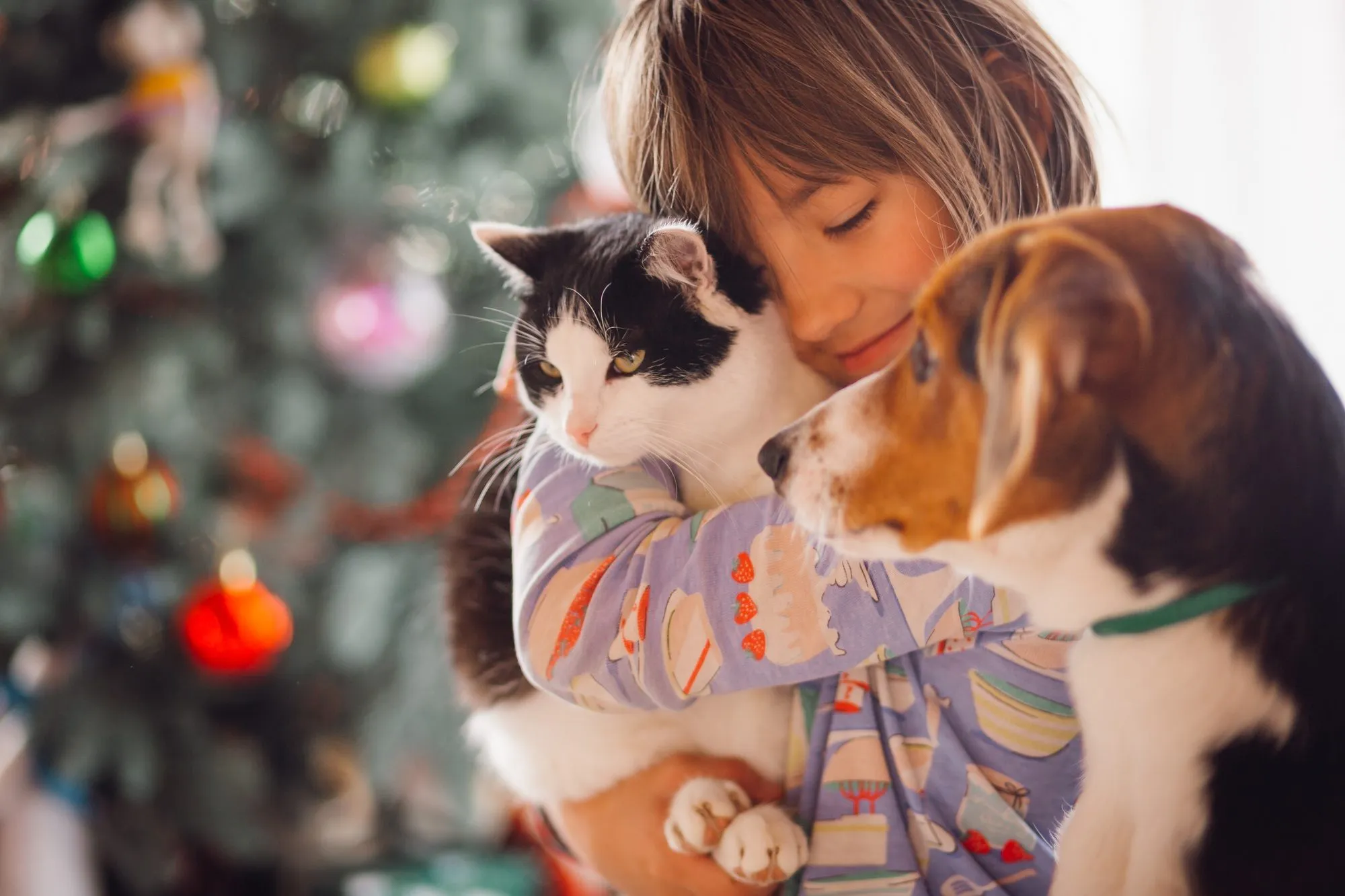
The holiday season in Durham is a time for gathering with friends and family, but it can also bring unique challenges for pet owners. Whether you are planning a Thanksgiving dinner or hosting overnight guests, your dog or cat may experience stress or face potential hazards that are easy to overlook in the bustle of celebration. At Durham Animal Hospital, located at 4306 N Roxboro St, Durham, NC 27704, our veterinary team understands how important it is to keep your furry companions healthy, comfortable, and safe during the holiday festivities. This blog will cover how to recognize signs of holiday stress in pets, understand the risks posed by seasonal foods and guests, and provide practical steps you can take to ensure your pet enjoys the holidays as much as you do. We will also discuss when to seek veterinary care and how our comprehensive services can support your pet’s well-being all season long.
Recognizing Signs of Holiday Stress in Your Pet
Many pet owners notice changes in their pets’ behavior during holiday gatherings. Dogs and cats are creatures of habit, so increased noise, unfamiliar scents, and a parade of new faces can feel overwhelming. Common signs of stress in pets include hiding, vocalizing more than usual, pacing, panting, or seeking excessive attention. Some pets may lose interest in food, have accidents indoors, or show changes in grooming patterns. For cats, behaviors such as hiding under beds, avoiding the litter box, or excessive grooming may indicate unease. Dogs might bark, whine, or retreat to a quiet area. It is important to recognize these signs early so you can intervene and help your pet feel more secure.
Why Holiday Gatherings Can Be Challenging for Pets
Holiday gatherings introduce a variety of changes to the household environment. Guests may bring unfamiliar sounds, scents, and energy levels, which can disrupt your pet’s sense of security. Decorations, candles, and seasonal plants add to the novelty, while tempting foods are often left within easy reach. Dogs and cats may also encounter well-meaning guests who are unfamiliar with their routines or boundaries, leading to accidental escapes or exposure to unsafe treats.
Changes in daily schedules around the holidays can further unsettle pets. Mealtimes, walks, and quiet time may be delayed or shortened, which can contribute to anxiety. Additionally, some pets are naturally more sensitive to change or have a history of anxiety in busy environments. Understanding these potential stressors is the first step to creating a pet-friendly holiday atmosphere.
Preventing Stress and Ensuring Comfort During Celebrations
There are several practical approaches you can implement at home to help your pet navigate the excitement of holiday gatherings. Creating a safe, quiet space where your pet can retreat is a top priority. This might be a spare bedroom, a cozy crate, or a quiet corner equipped with their bed, favorite toys, and fresh water. For cats, a room with a litter box, scratching post, and hiding spots can provide comfort. Let your guests know that your dog or cat has a designated area, and encourage them to respect your pet’s need for space.
Maintaining your pet’s regular routine as much as possible is also beneficial. Feeding, walking, and playtime should occur at their usual times to provide a sense of normalcy. If your pet is especially anxious, consider using pheromone diffusers or calming music. Some pets benefit from gentle exercise before guests arrive, which can help burn off excess energy and promote relaxation.
Introducing your dog or cat to guests gradually can help reduce anxiety. Allow your pet to approach new people on their own terms, and supervise all interactions, especially with children. Remind guests not to feed your pet table scraps, no matter how persuasive their puppy eyes or purring may be.
Holiday Food Hazards: What to Watch Out For
The holidays often involve festive meals and treats, but many foods that are safe for people can pose serious health risks to dogs and cats. Turkey bones, fatty meats, chocolate, grapes, raisins, onions, garlic, and certain artificial sweeteners like xylitol are all toxic to pets. Symptoms of food-related illness include vomiting, diarrhea, abdominal pain, drooling, or sudden lethargy. Even small amounts of these foods can be harmful, so it is crucial to keep all plates, leftovers, and garbage securely out of reach.
Remind your guests not to offer food to your pet, and consider providing safe, pet-friendly treats so your dog or cat can participate in the festivities without risk. If your pet accidentally ingests something questionable, contact your veterinarian immediately for guidance.
To learn more about keeping your pet healthy throughout the year, our comprehensive physical exams can help identify and address potential health concerns before holiday stress becomes an issue.
Managing Interactions Between Pets and Guests
Not all pets enjoy the company of new people or other animals, so managing introductions and interactions is essential. If your dog or cat is shy or reactive, consider keeping them in a separate room during the busiest parts of your gathering. For pets that are comfortable with visitors, supervise all greetings and let your pet set the pace. Remind children to be gentle, avoid hugging or picking up pets, and never disturb animals while they are eating or resting.
If you have other pets visiting your home during the holidays, introduce them slowly and watch for signs of tension such as growling, hissing, raised fur, or stiff body language. Interrupt any negative interactions calmly and redirect attention with toys or treats.
Home Preparation: Pet-Proofing Your Space
Holiday decorations can be enticing, but they also introduce new risks. Tinsel, ribbons, string lights, and glass ornaments can cause serious injury if chewed or swallowed. Candles and scented oils may burn or irritate curious noses and paws. Seasonal plants like poinsettias, lilies, holly, and mistletoe are toxic to both dogs and cats. Place decorations safely out of reach, secure electrical cords, and opt for flameless candles whenever possible.
Keep doors and gates closed to prevent accidental escapes, especially when guests are coming and going. Make sure your pet’s identification tags and microchip information are up to date in case they slip outside during the excitement.
When to Seek Veterinary Care for Your Pet During the Holidays
Despite your best efforts, accidents can happen during busy holiday celebrations. If your pet shows signs of illness such as persistent vomiting, diarrhea, difficulty breathing, sudden collapse, or unresponsiveness, contact your veterinarian right away. Ingesting toxic foods, plants, or foreign objects requires immediate veterinary attention. Behavioral changes like extreme withdrawal, aggression, or refusal to eat that last more than 24 hours also warrant a call to your veterinary team.
If you have questions about your pet’s health, our frequently asked questions page provides helpful information, but nothing replaces a direct conversation with your veterinarian. During the holidays, it is wise to know your clinic’s hours and have our contact information handy in case your pet needs urgent care.
Preventive Veterinary Care: Setting Your Pet Up for Holiday Success
One of the best ways to prepare your pet for the holidays is to address their health and wellness beforehand. A comprehensive pet exam at Durham Animal Hospital can help ensure your dog or cat is healthy, up to date on vaccinations, and ready to handle the unique challenges of the season. Preventive care visits allow us to discuss your pet’s specific needs, provide tailored advice, and identify any concerns before they become emergencies.
Vaccinations are an important component of holiday preparation, especially if your pet will be exposed to other animals or traveling. Staying current on immunizations helps protect your pet from contagious diseases and supports overall community health. If you are unsure about your pet’s vaccination status, our pet immunizations page provides more information about recommended schedules and what to expect during your visit.
Creating a Joyful, Stress-Free Holiday for Your Pet
With a little planning and attention to your pet’s needs, the holidays can be a joyful time for every member of your household. Remember to set aside quiet moments with your dog or cat, offer praise for calm behavior, and provide plenty of enrichment to keep them engaged. If your pet struggles with anxiety or behavioral challenges, speak with our veterinary professionals about management strategies and possible interventions.
Contact Durham Animal Hospital for Holiday Pet Care
Your pet’s health and happiness are our highest priority at Durham Animal Hospital. If you have concerns about your dog or cat during the holidays or want to schedule a wellness examination before the festivities begin, our veterinary team is here to help. We welcome you to reach out to us at (919) 620-7387 or visit us at 4306 N Roxboro St, Durham, NC 27704. When searching for a vet near me, choosing a team that understands the needs of Durham pets can make all the difference. We look forward to partnering with you to keep your beloved companions safe, comfortable, and healthy throughout the holiday season and beyond.
For more tips on preparing your pet for seasonal changes or to learn about our comprehensive veterinary services, explore our frequently asked questions or schedule a visit today. Happy holidays from everyone at Durham Animal Hospital!